Carbon emissions stories
The deal gives the carrier a new supply source as airlines race to secure limited sustainable aviation fuel, with deliveries due from 2028.
The pilot will test whether industrial sites can help stabilise Singapore's grid as renewable power and electricity demand rise.
The three-year supply pact gives Singapore Airlines early access to waste-based fuel as airlines scramble for scarce lower-carbon alternatives.
Rising power bills and emissions pressure are driving the scheme, which aims to cover 100MW of supplier rooftops within two years.
Airports across Asia face a funding and design test as forecasts point to USD $1.3 trillion in regional capital needs by 2040.
Lower packaging waste is helping Trust cut average foam use to 0.5 grams per package and lift recycled plastic to 41.1% of materials.
Rising demand for AI and cloud services is pushing operators to spend on lower-emission facilities as the market heads towards USD $197.02 billion by 2031.
A new report says manufacturers risk missing out on lower costs and fresh sales unless they link emissions cuts to clear business returns.
Its third-quarter sustainability score of 4.04 keeps the group on course for a 4.20 target, as supplier and workforce programmes expand.
Operators can now test hardware, consolidation and migration plans in minutes, as regulators intensify scrutiny of energy and water use.
Flooding and higher borrowing costs are sharpening scrutiny of how the IMF and World Bank will back vulnerable economies through debt and climate shocks.
SME suppliers in Schneider Electric's partner network will get carbon-tracking software and advisory support, after early pilots found savings opportunities.
The open-source model is helping engineers compare digital designs before build-out, and in one Schneider Electric case it cut emissions by more than 40%.
Remote mines and smelters could cut costs and emissions as the system targets about 20% lower energy bills and reliability above 99.95%.
Australian firms are more willing than European peers to pay extra for lower-emission travel as new climate reporting rules raise scrutiny of business journeys.
The rollout should help the education provider spot waste and cut utility use across 153 campuses and 1,812 buildings in New South Wales.
AI is cutting product development times at Powerweave, as the company aims for about 30% revenue growth this fiscal year.
The win underlines growing demand for digital access systems that cut plastic use and let buildings upgrade security without replacing existing hardware.
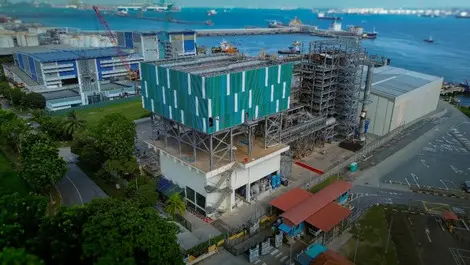
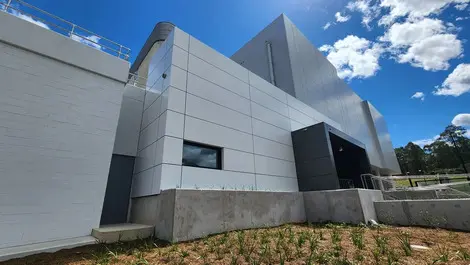
The reuse project boosts AI capacity by 275% inside the original building footprint, while cutting structural upfront carbon and water use.
The funding will help the electricity supplier grow among Britain's largest commercial users as demand for flexible power contracts rises.